If you’re a car enthusiast, you’ve probably considered the idea of customising your car. Still, a project like this can seem rather expensive, and it would take a lot of courage to tackle the idea. But if I tell you that you can customise your vehicle without having to break the bank? In fact, there are tons of low-cost upgrades you can go for that are guaranteed to make your car look awesome. And if you choose to make all of these yourself, you’ll manage to scrape away even more money while making your car look top-notch.
We came up with three car customisation projects you should be able to tackle without having to turn to professionals. Make sure you check them out.
DIY car painting – Can you do it?
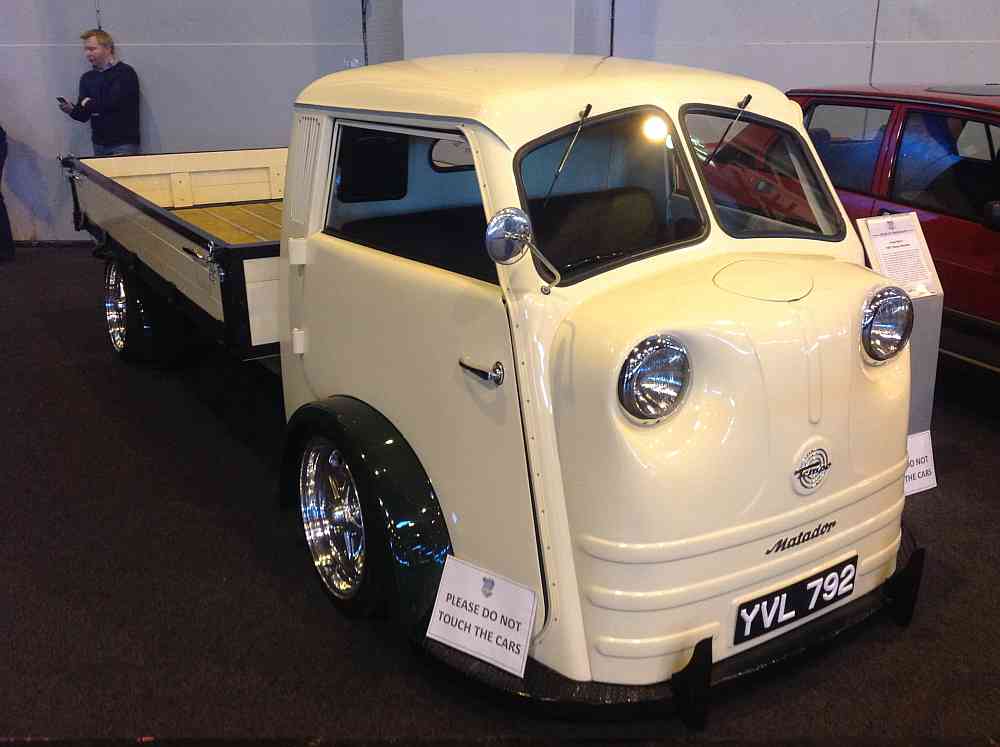
A car paint job is an interesting DIY project that might just be what you’re looking for. And with good prep and a systematic approach, you should be able to make your car look amazing. Still, painting your car is going to be quite a time-consuming task and I recommend setting aside at least a couple of days in order to get the job done properly. When starting, you should first make sure the spot where you’ll be painting your car is completely clean. Also, you’ll have to wash your car in order to remove dirt and grease. Once your car is clean, you’ll have to prime it and sand it before you actually start applying the paint. When it comes to applying the paint, you’ll want to go with three to four coats in order to make the new paint look good. Just bear in mind that you should remove any powdery residue from the car before you start applying the last coat.

DIY turbo – Is it worth it?
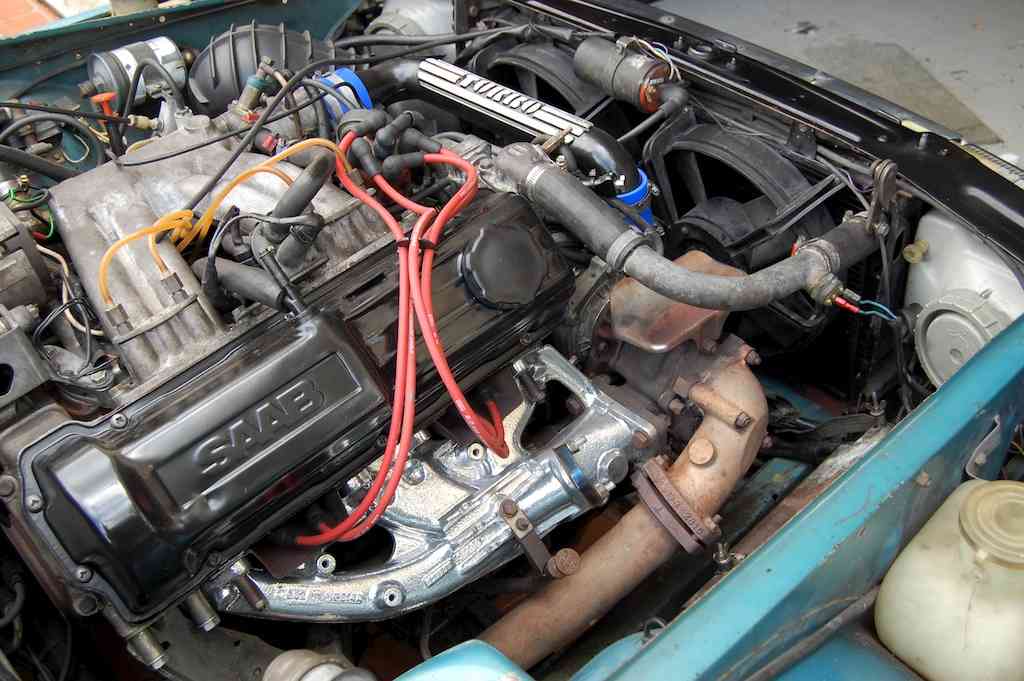
When customising your car, you might also look into the idea of adding a turbo to your car. Basically, how this works is that you’ll be increasing your horsepower by allowing more air to flow through the cylinders. This would eventually make your car faster, which might be exactly what you want. Still, buying a turbo can turn out to be quite costly. So, why not try to make it yourself? Personally, if you don’t know 100% what you’re doing and you don’t have a mate who can tune your CPU, I wouldn’t recommend you to do this. In fact, I think that taking on this task yourself would be a horrible idea. Why? Well, doing thorough research on which turbo would suit your car the best and finding that turbo on the market is already quite a difficult task. But that’s just the beginning if you decide to install a turbo on your own. There would be a lot of attaching, connecting and securing, and even the tiniest mistake can give you a real headache.
Rocking a body kit
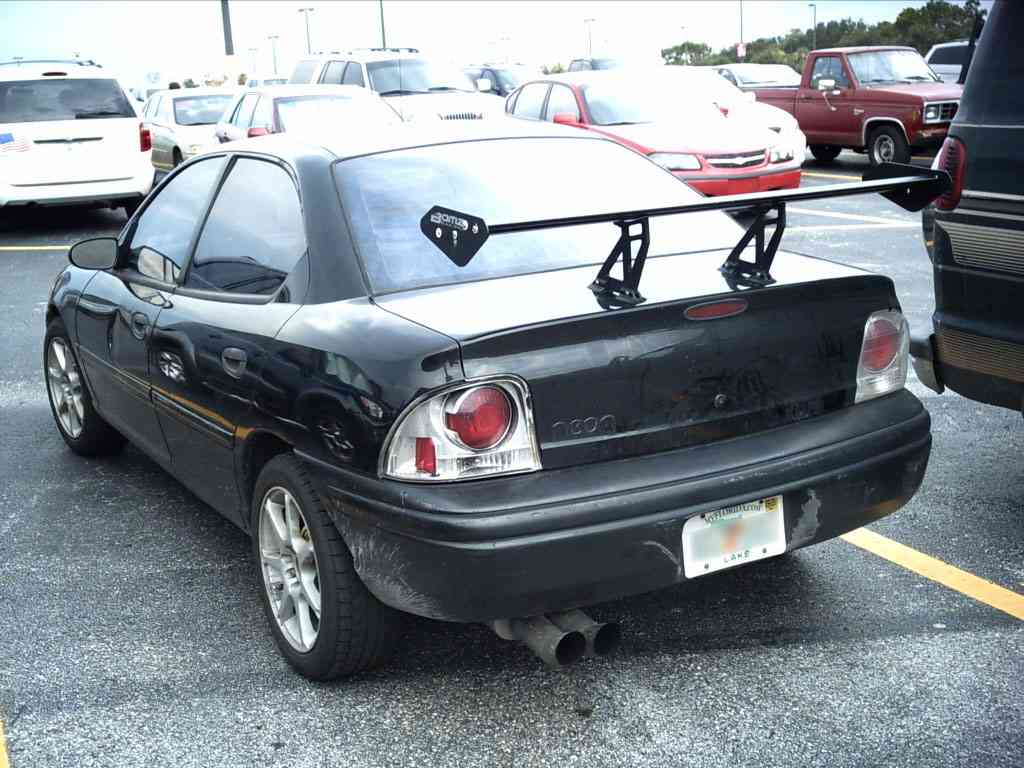
Installing a body kit is a great way to change the exterior look of your vehicle. These little things imitate the look of a race car, but they’re not going to turn your car into it since they don’t offer weight savings or down-force. If you decide to install a body kit, you’ll first have to choose the material you’ll go for. I recommend fiberglass since fiberglass composite offers greater strength than some other popular body kit materials such as carbon fibre. Another thing you’ll have to do is decide on what type of body kit you want. You can either install a full car body kit or go for a simple project such as adding ground effects or replacing bumpers. No matter what you decide to do, make sure you get all the parts you need. When I was tackling a similar project, I got an amazing spoiler from the wreckers, but I was missing the brace, luckily I found it online. So, make sure you turn to the web if you end up missing some of the parts of your new body kit.
Customising your car can turn out to be an amazing project. Just make sure you know what you’re doing and get all the equipment in advance. Luckily, today, the web is full of places where you can order car parts and have them delivered to your front door. And with some effort and free time, you should be able to bring your dream car to life.
